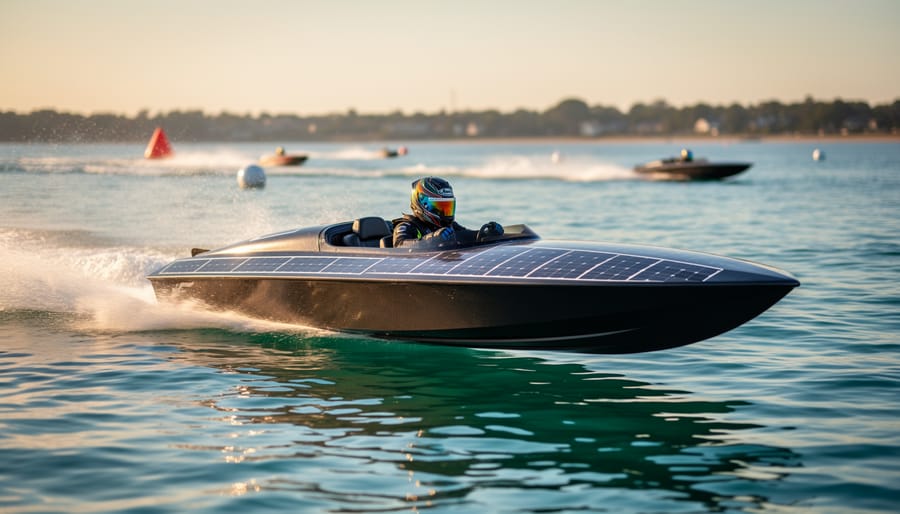
Solar boat racing represents one of the most innovative intersections of competitive sport and environmental technology, where silent vessels glide across water powered purely by sunlight. Yet this emerging sport now faces an unexpected challenge: the expansion of online gambling platforms into sustainable sporting events, with operators offering bets on solar regattas worldwide. Some platforms promise you can win real money here by wagering on these eco-friendly competitions, raising important questions about preserving the integrity of clean boating culture.
This development matters because solar boat racing was founded on principles of innovation, education, and environmental stewardship—not commercial speculation. As betting operators recognize growing interest in sustainable sports, they’re creating markets around competitions that many participants view as demonstrations of renewable technology rather than gambling opportunities. Understanding this phenomenon empowers you to protect what makes solar boating special while navigating an increasingly complex sporting landscape.
The stakes extend beyond individual races. How the solar boating community responds to gambling interest will shape whether this technology showcase maintains its educational mission or becomes just another betting market. For environmentally conscious enthusiasts who celebrate solar racing as a solution-focused activity, recognizing the risks and advocating for protective measures becomes essential. This article explores how online betting has infiltrated solar regattas, what dangers this poses to sustainable sport, and practical steps you can take to support the authentic values that make solar boat racing a beacon of clean innovation.
The Rise of Solar Boat Racing as a Competitive Sport
Solar boat racing has transformed remarkably over the past two decades, evolving from small environmental demonstrations into thrilling competitive events that captivate audiences worldwide. What began as educational showcases designed to prove the viability of clean energy has blossomed into a legitimate sport with international recognition, professional teams, and passionate supporters.
The journey started in the early 2000s when universities and research institutions organized informal races to test their prototype vessels. These events primarily attracted engineers and environmental advocates eager to push the boundaries of sustainable technology. However, as battery efficiency improved and solar panel technology advanced, these humble gatherings grew into structured competitions with standardized rules and impressive prize pools.
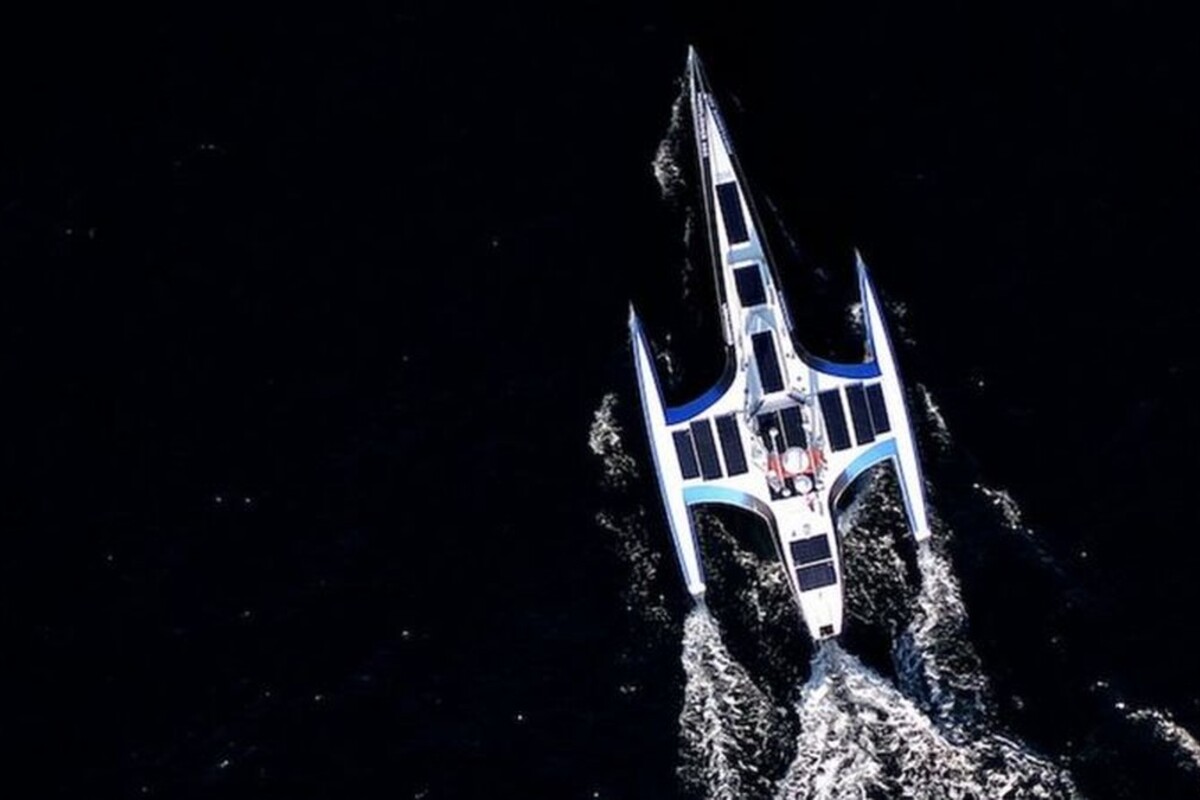
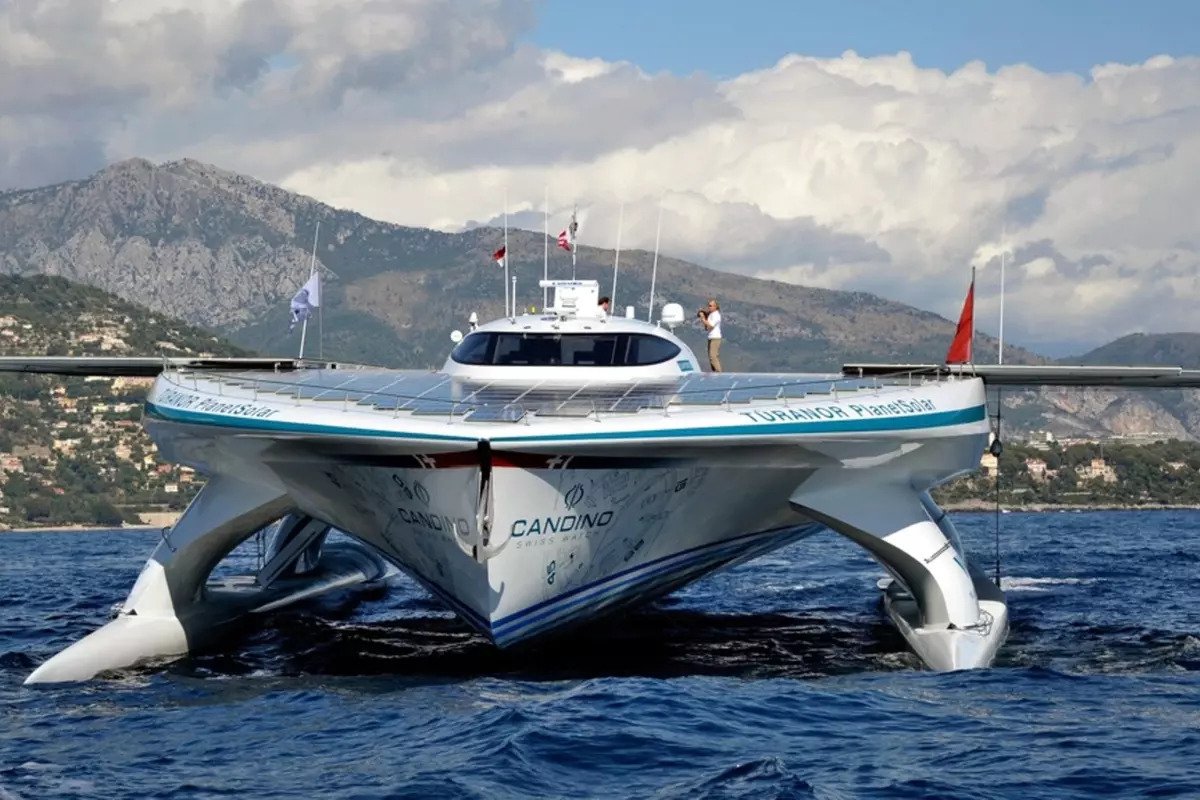
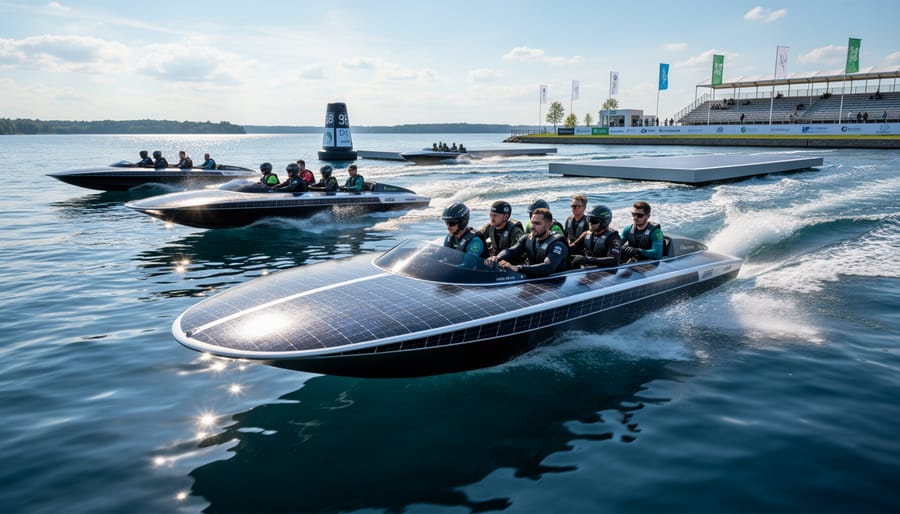
Today, prestigious events like the Solar1 Monte Carlo Cup, the Dutch Solar Boat Challenge, and the Monaco Energy Boat Challenge draw teams from across the globe. These competitions showcase the solar-powered racing boats that combine cutting-edge engineering with zero-emission performance. Participants range from university teams pioneering new designs to professional racing crews backed by major sponsors committed to sustainability.
What sets solar boat racing apart is its foundational values. Unlike traditional motorsports focused solely on speed, this community celebrates innovation, efficiency, and environmental stewardship. Teams share technical knowledge openly, believing collective progress serves the greater mission of proving clean energy’s competitive potential. This collaborative spirit attracts individuals who want competition without compromising their environmental principles.
The growing solar boat industry has benefited tremendously from racing’s technological breakthroughs. Innovations developed for competition, from lightweight hull materials to optimized energy management systems, eventually make their way into consumer vessels. This racing-to-retail pipeline accelerates sustainable boating adoption while demonstrating that ecological responsibility and thrilling competition can coexist harmoniously.
How Online Gambling Found Its Way to Solar Racing
The digital betting industry has undergone remarkable expansion in recent years, moving far beyond traditional sports like football and horse racing. As mainstream betting markets became saturated, online gambling platforms began seeking fresh opportunities in what industry observers call “micro-sports betting.” Solar boat racing, with its growing global presence and passionate community, emerged as an unexpected target for these platforms.
This expansion follows a familiar pattern. Betting companies employ sophisticated algorithms to identify emerging sports with dedicated followings, predictable competition schedules, and measurable outcomes. Solar racing events, particularly annual championships and international competitions, fit these criteria perfectly. The sports’ increasing media coverage and live-streaming capabilities made it technically feasible for platforms to offer real-time betting options.
For gamblers, niche sports like solar racing present appealing opportunities. The perception of having specialized knowledge creates confidence among bettors who follow sustainable technologies closely. Some platforms market these options as “exclusive betting opportunities,” attracting users tired of conventional sports markets where odds are heavily researched and competitive advantages are minimal.
The mechanisms being employed are surprisingly straightforward. International betting platforms, often operating from jurisdictions with relaxed gambling regulations, have begun listing solar racing events alongside other niche competitions. They offer various betting types, from simple winner predictions to more complex propositions about race times and technical performance metrics.
However, this development raises important questions for the solar boating community. While mainstream attention might seem beneficial, the introduction of gambling interests can fundamentally alter a sport’s character. For a movement built on environmental innovation and collaborative progress toward sustainability, the profit-driven motivations of betting platforms present philosophical challenges worth examining carefully. Understanding these dynamics helps community members make informed decisions about the future direction of sustainable racing.

The Conflict Between Gambling and Sustainable Values
What Solar Racing Stands For
The solar boat racing community represents far more than competitive sport—it embodies a movement toward a cleaner, more innovative future on our waterways. At its foundation lies a deep commitment to environmental sustainability, demonstrating that high-performance boating and ecological responsibility can coexist beautifully.
Environmental stewardship drives every aspect of solar racing. These vessels produce zero emissions during operation, creating no water pollution or greenhouse gases while gliding across lakes and oceans. Participants actively prove that renewable energy can power exciting, competitive experiences without compromising our natural resources.
Technological innovation stands as another cornerstone value. Solar racers continuously push boundaries in battery efficiency, solar panel design, and lightweight materials. These advancements don’t remain confined to racing—they flow into recreational solar boats, making clean boating accessible to everyday enthusiasts. Each competition becomes a living laboratory where breakthroughs happen in real-time.
Education forms the third pillar of this community. Teams often include students and volunteers who gain hands-on experience with renewable energy systems. Many competitors actively share their knowledge through workshops and demonstrations, inspiring others to embrace sustainable technologies.
Finally, accessibility matters deeply to solar racing advocates. Rather than creating exclusive, expensive spectacles, the community welcomes newcomers and encourages participation at various levels. This inclusive approach ensures that sustainable boating becomes a widespread reality, not just an elite pursuit, fostering a broader cultural shift toward environmental consciousness on the water.
The Gambling Industry’s Different Priorities
The online gambling industry operates on fundamentally different principles than the solar boat racing community. While solar racing celebrates innovation, environmental stewardship, and collaborative progress toward a cleaner future, gambling platforms prioritize profit maximization through carefully designed systems that encourage continuous betting and financial risk-taking.
At its core, online gambling thrives on creating engaging experiences that keep participants returning, often relying on psychological triggers that can lead to compulsive behavior. The industry invests heavily in understanding how to make betting feel exciting and rewarding, even when mathematical odds favor the house. This business model stands in stark contrast to solar racing’s mission of inspiring technological advancement and demonstrating the viability of renewable energy solutions.
The commercialization pressure that gambling introduces can fundamentally alter a sport’s character. When financial stakes become central, the focus shifts from celebrating sustainable innovation to viewing races purely as betting opportunities. This transformation has affected various sports throughout history, sometimes leading to integrity concerns and shifting public perception from athletic achievement to financial speculation.
For solar boat racing, this creates a particularly troubling disconnect. Events designed to showcase clean technology and environmental responsibility risk becoming associated with an industry that operates on different values entirely. The participants who dedicate themselves to pushing the boundaries of solar-powered marine engineering deserve recognition for their environmental contributions, not to have their achievements reduced to odds on a betting slip.
Understanding this fundamental mismatch helps explain why many within the solar racing community view gambling integration with concern. The question becomes whether allowing this commercial interest serves the greater mission of promoting sustainable boating solutions, or whether it ultimately undermines the ecological impact these events aim to demonstrate.
Real Risks to the Solar Racing Community
While the solar boat racing community has built something truly special—a platform that showcases clean technology while inspiring environmental action—the introduction of online betting poses several practical concerns worth examining closely.
Perhaps the most immediate risk is reputation damage. Solar boat racing has carefully cultivated an identity centered on innovation, sustainability, and community. These events attract families, students, and environmental advocates who see them as celebrations of what’s possible when we prioritize clean energy. When betting enters the picture, that carefully built image can shift. Suddenly, an event designed to inspire climate solutions becomes associated with gambling—an industry many find incompatible with the wholesome, educational atmosphere solar racing has worked hard to establish.
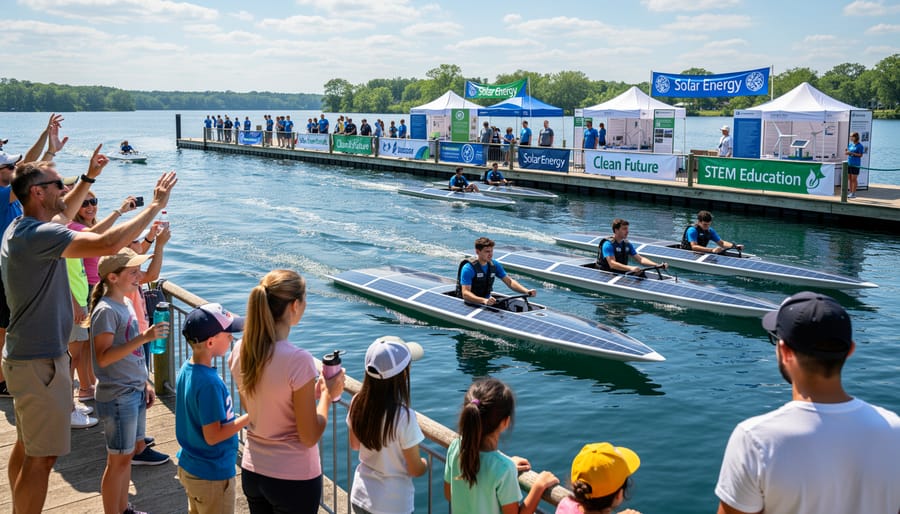
This shift naturally leads to audience alienation. Many families choose solar boat races specifically because they offer educational entertainment without the commercial pressure found at other sporting events. Parents appreciate bringing children to events where the focus is on engineering ingenuity and environmental stewardship. Introducing betting could make these same families uncomfortable, potentially driving away the very audiences who champion solar technology most enthusiastically.
There’s also the troubling possibility of race manipulation. While solar boat racing currently operates on trust and shared values, financial incentives from betting could tempt participants or officials to compromise integrity. Even the perception of potential manipulation—whether founded or not—could undermine the authentic spirit that makes these competitions meaningful.
Perhaps most concerning is the distraction from environmental messaging. Solar boat races serve a purpose beyond competition; they’re powerful demonstrations of renewable energy in action. Each race communicates that clean technology is viable, exciting, and worthy of investment. When betting becomes the story, media coverage shifts from “students build incredible solar-powered vessel” to “upset victory pays out big for bettors.” The environmental message gets drowned out by gambling narratives.
The solar racing community stands at a crossroads. Protecting what makes these events special—their educational value, family atmosphere, and clear environmental purpose—means carefully considering whether commercial betting aligns with the movement’s core mission of inspiring sustainable innovation.
How the Solar Boating Community Can Respond
The solar boating community stands at a crossroads where protecting the sport’s integrity doesn’t mean closing doors to growth. Here’s how we can respond thoughtfully and effectively.
Race organizers should establish clear codes of conduct that explicitly address betting influences. This includes implementing transparent judging systems, publishing detailed race rules, and creating whistleblower protections for anyone who notices suspicious activity. By maintaining open communication channels with participants and spectators, organizers can build trust while monitoring for irregular patterns.
Participants have an equally important role. Building a culture of sportsmanship means speaking up when something feels wrong and refusing to engage with betting-related pressures. Many successful solar boat teams have found that focusing on the environmental mission and technological innovation naturally shields them from outside influences that could compromise their values.
The broader community can contribute by redirecting interest toward educational solar boat activities and legitimate engagement opportunities. Instead of betting, enthusiasts can support the sport through crowdfunding campaigns for new teams, participating in community design challenges, or volunteering at events. These alternatives maintain excitement while strengthening the sustainable boating movement.
Education remains our strongest tool. Sharing stories about how solar boat racing advances clean energy technology and inspires environmental action helps newcomers understand what makes this sport special. When people recognize they’re witnessing history in the making, not just a betting opportunity, they become invested in protecting its future.
By working together transparently and staying true to our environmental values, we can ensure solar boat racing continues inspiring innovation and ecological consciousness for generations to come.
Solar boat racing represents something far more valuable than another avenue for wagering—it embodies humanity’s creative response to our climate challenges. While betting platforms may see emerging sports as untapped markets, this innovation-driven competition exists to inspire a cleaner future for maritime transportation, not to generate gambling revenue.
When we view these races through a sustainability lens, their true purpose becomes clear. Every solar-powered vessel gliding across the water demonstrates that renewable energy works in real-world conditions. These aren’t just races; they’re floating laboratories where engineers test technologies that could transform commercial shipping, recreational boating, and coastal transportation. The young teams designing these boats today may become the innovators who make fossil-fuel vessels obsolete tomorrow.
You have the power to shape this sport’s future. Support solar boat racing by attending events, sharing team stories, and celebrating their engineering achievements rather than wagering outcomes. Encourage educational institutions to launch solar boating programs. When discussing these competitions, emphasize the collaborative spirit and problem-solving creativity that define them.
The choice facing solar boat racing mirrors a broader question: will we allow every sustainable initiative to be commodified for short-term profit, or will we protect spaces dedicated to environmental progress? By championing the mission-driven nature of clean competition, you help ensure that solar boat racing remains what it was always meant to be—an inspiring catalyst for the renewable energy revolution our planet desperately needs.