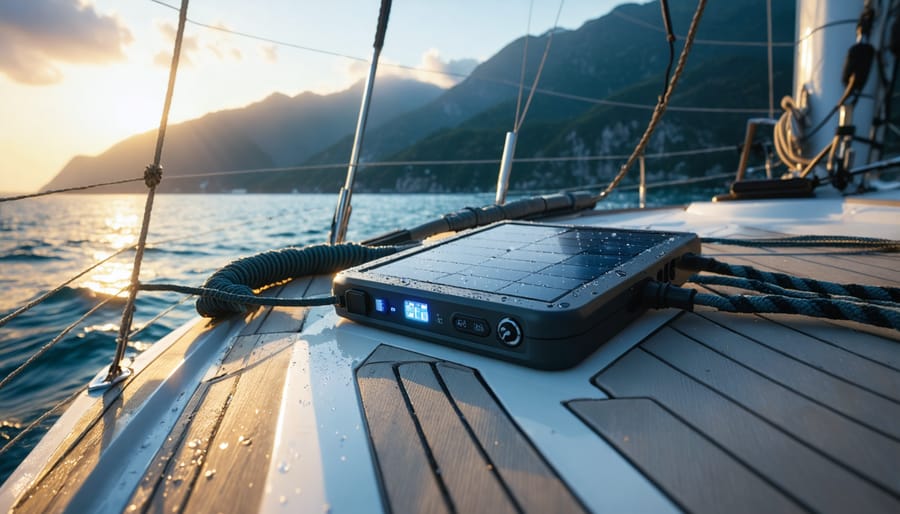
Choose a marine-grade solar charger rated IP67 or higher to withstand saltwater spray and humid conditions while keeping your THCa cartridges powered throughout your voyage. Match the charger’s USB output (typically 5V/2A) to your vape battery’s requirements, ensuring compatibility before departure. Position your solar panel where it receives maximum sunlight—ideally on a hardtop or rail mount—away from shaded cockpit areas.
The freedom to enjoy your time on the water shouldn’t mean compromising your wellness routine or relying on marina power stations. Modern boaters are discovering that combining solar technology with portable vaping creates the perfect sustainable setup for extended trips, whether you’re island-hopping for a weekend or living aboard full-time.
Marine solar chargers designed for small electronics have evolved dramatically, now offering reliable power generation even in challenging conditions. These compact units typically produce 10-25 watts, enough to fully charge vape batteries multiple times daily while eliminating dependence on fossil-fuel generators. Beyond the practical benefits, this approach aligns perfectly with the growing movement toward eco-conscious boating—reducing your carbon footprint while maintaining the conveniences that make life afloat enjoyable.
Understanding which features matter most will help you select equipment that performs reliably in the marine environment, protecting both your investment and your ability to stay charged during those perfect sunset anchorages.
Why THCa Vape Users Need Reliable Marine Power
The Rise of THCa Vapes in Marine Recreation
The boating community has embraced a new companion for their maritime adventures: THCa vape cartridges. These sleek devices offer a convenient, smoke-free way to enjoy relaxation during downtime between sailing sessions or while anchored in peaceful coves. Unlike traditional alternatives, THCa vapes produce minimal odor and require no flame—perfect for the marine environment where safety and discretion matter.
Boaters appreciate how these cartridges align with their lifestyle values. They’re compact, easy to store in tight cabin spaces, and don’t leave residue or ash that could impact the pristine waters we all cherish. Many recreational boaters find that THCa products complement their appreciation for natural environments, creating moments of calm after active days on the water.
The challenge? Keeping these battery-powered devices charged during extended trips. Traditional charging methods drain your boat’s battery reserves—resources better saved for navigation and safety equipment. This is where solar solutions become essential, allowing you to maintain your lifestyle choices without compromising your vessel’s power needs or your commitment to minimizing environmental impact.
Power Challenges on the Water
Boating offers incredible freedom, but power limitations can quickly interrupt your experience. Most boats rely on battery banks that steadily drain as you use essential electronics, navigation systems, and personal devices like your THCa vape. During extended trips away from shore, these batteries deplete faster than many realize, leaving you without power for the things you enjoy.
Traditional charging methods present significant challenges on the water. Running your boat’s engine just to recharge batteries wastes fuel, increases emissions, and disrupts the peaceful environment you’re seeking. Shore power only works when you’re docked, making it impractical for day trips or anchoring in remote locations. Portable generators are noisy, require fuel storage, and contradict the eco-friendly lifestyle many boaters embrace.
The problem becomes especially frustrating for smaller electronics. Your THCa vape requires minimal power to charge, yet accessing that power on a boat can mean firing up an entire engine or planning your entire day around marina access. This gap between your low-power needs and high-impact charging solutions highlights why boaters increasingly seek smarter, sustainable alternatives that align with their environmental values.
How Marine Solar Chargers Work for Your Vape
Solar Charging Basics for Boaters
Understanding solar charging on your boat is simpler than you might think. Marine solar panels capture sunlight through photovoltaic cells, converting it directly into electrical energy that flows to your devices—including your THCa vape charger. The process happens silently and cleanly, with no fuel needed.
What makes marine solar solutions special is their rugged construction. Unlike household panels, these are engineered to withstand salt spray, constant moisture, and the rocking motion of waves. They feature corrosion-resistant frames, sealed electrical connections, and tempered glass surfaces that endure harsh conditions season after season.
For boaters charging small electronics like vape devices, even compact solar panels generate sufficient power during daylight hours. The system stores excess energy in your boat’s battery, ensuring you have power available even when clouds roll in or after sunset. This means reliable charging capability throughout your journey, independent of marina hookups or noisy generators.
By harnessing the sun’s energy, you’re not just powering your devices—you’re actively reducing your environmental footprint on the water while maintaining the convenience and freedom that makes boating enjoyable.
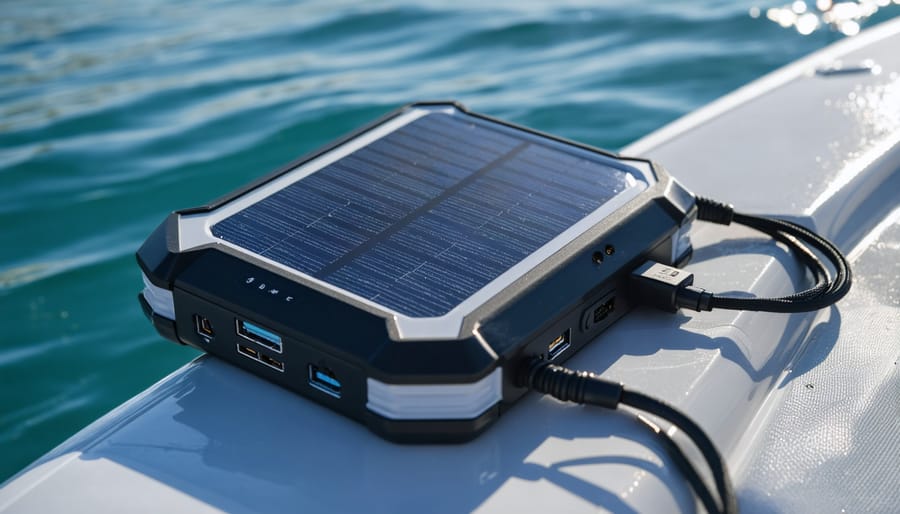
Matching Charger Capacity to Your Vape Battery
Most THCa vape batteries require surprisingly modest power—typically between 5-15 watts for charging. This is excellent news for solar users, as even compact marine solar panels can easily meet these needs.
Here’s a simple guideline: check your vape battery’s specifications (usually printed on the device or in the manual) for its milliampere-hour (mAh) rating. A standard 510-thread vape battery ranges from 350mAh to 650mAh and charges via USB, drawing about 5 watts. Pod systems may require up to 15 watts. By understanding wattage requirements, you’ll realize that a 20-watt portable solar panel with USB output will comfortably charge multiple vape batteries during a day on the water.
The beauty of this match is its simplicity—you’re not powering an energy-hungry device. One boater shared how his 50-watt folding panel charges his vapes, phone, and GPS simultaneously without strain. For peace of mind, choose a charger rated at least double your device’s needs, ensuring reliable performance even in partial shade or cloudy conditions.
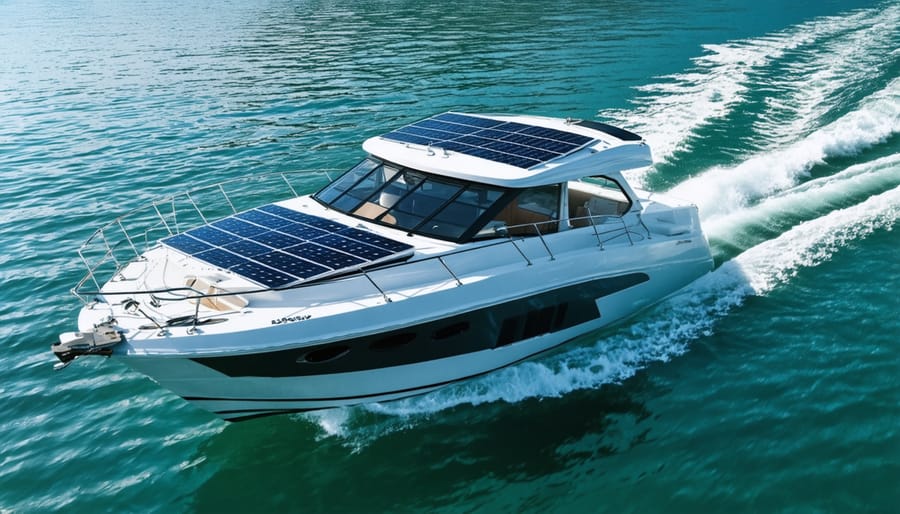
The Environmental Win: Sustainable Power for Sustainable Boating
Reducing Your Onboard Carbon Footprint
Choosing solar power over traditional charging methods delivers measurable environmental benefits. Running a boat’s generator for just one hour to charge small devices burns approximately one gallon of fuel, releasing around 20 pounds of CO2 into the atmosphere. Idling your engine produces similar emissions while also contributing to noise pollution that disrupts marine ecosystems.
A marine solar charger eliminates these emissions entirely. Over a typical boating season, switching to solar for your THCa vape and other USB devices can prevent 100-300 pounds of CO2 emissions—equivalent to planting three to eight trees annually. Beyond carbon reduction, you’re protecting the waterways you love by eliminating fuel spillage risks and reducing underwater noise that affects fish and marine mammals.
Many boaters report feeling empowered by this shift, transforming everyday charging into an active contribution toward cleaner oceans. Each time you plug into solar power instead of firing up your generator, you’re making a tangible difference.
Leading by Example on the Water
When you power your devices with solar energy on the water, you become more than just a boater—you become an ambassador for sustainable marine practices. Other boaters notice when you’re charging your THCa vape and electronics without running noisy generators or draining batteries. These conversations at the dock often spark curiosity and inspire fellow enthusiasts to explore renewable energy solutions for their own vessels.
Your choice to embrace eco-friendly boating creates ripples far beyond your own wake. Many boaters report that after installing marine solar chargers, friends and marina neighbors began asking questions, leading to a community-wide shift toward cleaner energy. By demonstrating that solar technology is practical, reliable, and perfectly suited for everyday needs—from charging vapes to running essential electronics—you show others that sustainability doesn’t require sacrifice. Every solar-powered outing proves that environmental responsibility and enjoyable boating experiences go hand in hand, encouraging a growing movement toward protecting the waters we love.
Choosing the Right Marine Solar Charger for Your Needs
Essential Features for Marine Environments
When you’re out on the water, your solar charger faces conditions that land-based devices never encounter. The marine environment demands specialized protection to keep your THCa vape charging reliably trip after trip.
**Waterproofing** is non-negotiable. Look for chargers with an IP67 rating or higher, meaning they can survive temporary submersion. This protects against splash, spray, and those unexpected waves that catch everyone off guard. Quality marine solar chargers feature sealed ports and weather-resistant construction that stands up to the moisture-rich conditions aboard any vessel.
**Salt-resistance** extends your investment’s lifespan considerably. Saltwater corrosion destroys ordinary electronics quickly, but marine-grade materials like anodized aluminum frames and corrosion-resistant coatings ensure your charger performs season after season. This durability means less waste and fewer replacements—a win for both your wallet and the environment.
**UV protection** matters more than many boaters realize. Marine solar panels endure intense sun exposure, so UV-stabilized coatings prevent degradation and maintain charging efficiency over time.
Finally, **versatile mounting options** like suction cups, rail clamps, or bungee attachments let you position your charger for optimal sun exposure while keeping it secure during movement. Flexible placement means you’re harnessing clean energy regardless of your boat’s layout or your anchoring location.
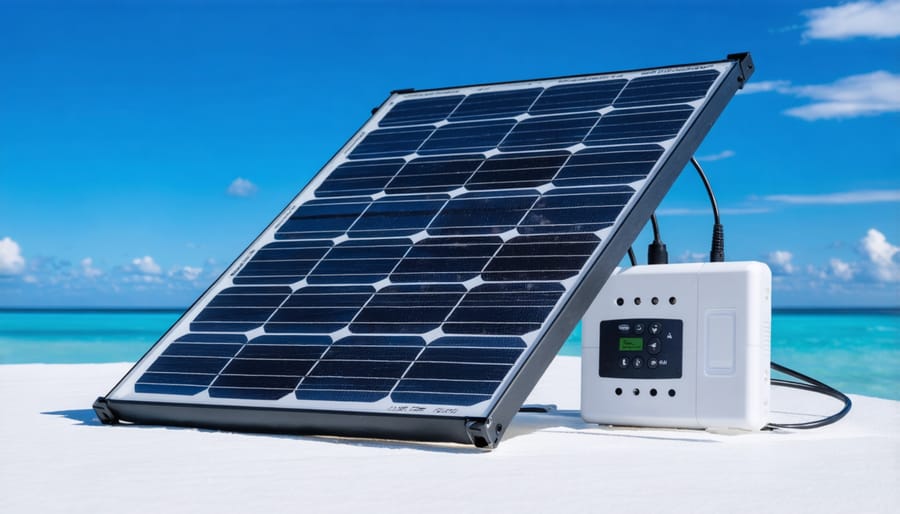
Portable vs. Fixed Installation Options
Choosing between portable and fixed solar installations depends on your boating lifestyle and vessel characteristics. Portable solar panels offer exceptional flexibility for weekend sailors and smaller craft owners. You can position them for optimal sun exposure, store them below deck during rough weather, and even take them ashore for camping adventures. They’re ideal if you’re new to solar energy or prefer testing the waters before committing to a permanent setup.
Fixed installations shine for liveaboards and frequent cruisers with adequate deck space. Once mounted, they provide hands-off charging without daily setup, freeing you to focus on navigation and enjoying your time on the water. The permanently angled panels maximize energy capture throughout the day, ensuring your THCa vape and other devices stay charged reliably.
One success story comes from Sarah, a weekend sailor who started with a portable 50-watt panel. “I loved the freedom of moving it around my 24-foot sailboat,” she shares. After a season of solar success, she upgraded to a fixed system that powers her entire electronics suite sustainably. Consider your boat size, storage availability, and how often you’re aboard when making this empowering choice toward cleaner boating.
Real Boaters, Real Solutions: Success Stories
Real boaters across the country have discovered how marine solar chargers transform their time on the water while keeping their essential devices powered. These success stories demonstrate the practical versatility of solar charging for various boating lifestyles.
**The Weekend Sailor’s Game-Changer**
Marcus, who sails San Francisco Bay on weekends, initially worried about keeping his devices charged during day trips. After installing a compact 50-watt marine solar panel, he found his charging concerns completely eliminated. “I can enjoy a full Saturday on the water without worrying about my phone dying or my vape running out of charge,” he shares. The solar setup paid for itself within months by eliminating the need for disposable batteries and reducing his reliance on marina shore power. Marcus particularly appreciates knowing his charging solution creates zero emissions while he explores pristine coastal waters.
**Living Aboard With Confidence**
Janet and Tom, who live aboard their 35-foot sailboat in the Florida Keys, upgraded to a 200-watt marine solar array specifically to support their electronics and personal devices. “We wanted to minimize our environmental footprint while maintaining modern conveniences,” Janet explains. Their system keeps everything from navigation equipment to personal vaporizers charged year-round. The couple reports saving approximately $75 monthly on marina electricity costs while enjoying complete energy independence during their frequent anchoring excursions.
**The Fishing Enthusiast’s Solution**
Charter fishing captain Diego runs multi-day trips where clients appreciate staying connected and comfortable. His dual-panel solar setup ensures everyone can keep their devices charged without running generators that disturb the peaceful fishing environment. “It’s about respecting the water while providing quality experiences,” he notes. The quiet, emission-free charging aligns perfectly with his commitment to sustainable fishing practices, and clients consistently mention the solar setup in their positive reviews.
Safety and Best Practices
Keeping your vaping experience safe while enjoying life on the water requires attention to a few key considerations. When using THCa vapes aboard your vessel, always ensure proper ventilation and never vape while operating the boat—just as you wouldn’t use any substance that affects your judgment while captaining. Store your cartridges in a cool, dry location away from direct sunlight, as marine environments can reach extreme temperatures that degrade product quality and battery life.
Your solar charging setup deserves equal care. Install marine solar chargers in locations where they won’t interfere with navigation or create tripping hazards. Secure all cables properly using marine-grade fasteners to prevent disconnection during rough waters. Choose waterproof or water-resistant chargers rated for marine use, and regularly inspect connections for corrosion—saltwater environments can be harsh on electronics.
A boater from the Pacific Northwest shared how proper storage transformed her experience: “I learned the hard way that leaving cartridges in direct sun damaged them. Now I keep everything in a sealed container below deck, and my solar charger mounted securely charges them perfectly.”
Always follow manufacturer guidelines for both your vaping devices and solar equipment. Keep a backup charging solution onboard for emergencies, and consider how your setup impacts the environment—properly dispose of cartridges at designated facilities rather than overboard. By following these practices, you’ll protect your investment, ensure reliable performance, and maintain the pristine waters we all treasure.
Choosing a marine solar charger for your THCa vape isn’t just about convenience—it’s about aligning your everyday choices with your values. Every time you harness the sun’s energy instead of relying on your boat’s engine or disposable batteries, you’re making a tangible difference. These small, practical decisions ripple outward, contributing to cleaner waterways and healthier marine ecosystems.
The beauty of this solution lies in its simplicity. You don’t need to overhaul your entire boating setup or invest in complex systems. A compact solar charger meets a real need while reducing your environmental footprint, proving that sustainable living doesn’t require sacrifice—it just requires thoughtful choices.
As more boaters embrace solar solutions, we collectively demonstrate that clean energy isn’t just for large-scale operations. It’s accessible, affordable, and perfectly suited for everyday moments on the water. Whether you’re fishing at sunrise or anchored in your favorite cove, you have the power to make choices that honor the environments we all cherish.
Start exploring solar charging options today. Your next journey on the water can be both enjoyable and environmentally responsible—because small changes truly do create big waves of impact.