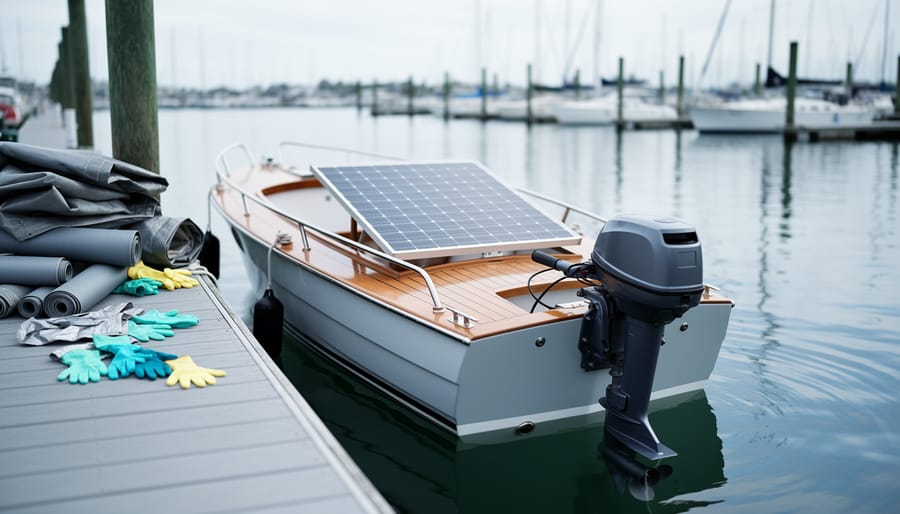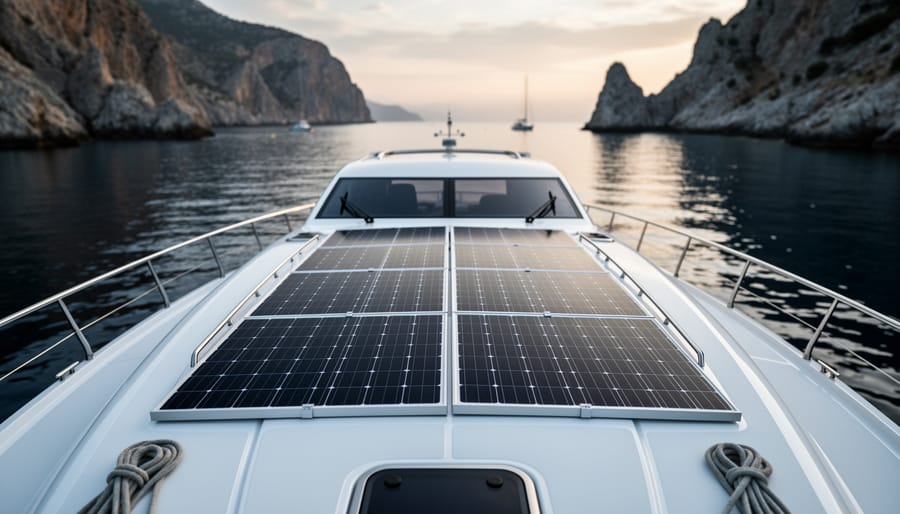
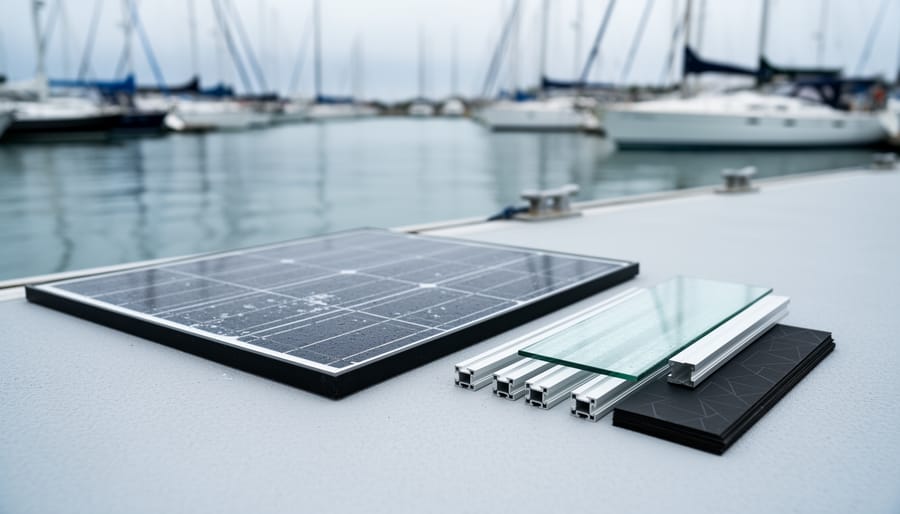
Photovoltaic panel recycling is the process of recovering valuable materials like silicon, glass, silver, and aluminum from decommissioned solar panels instead of sending them to landfills. As solar technology matures and early installations reach the end of their 25-to-30-year lifespan, millions of panels worldwide will need responsible disposal. This matters especially for boaters and marine solar users, who often replace panels due to physical damage from weather or upgrades to more efficient models long before reaching their maximum service life.
The opportunity here is significant. Solar panels contain materials worth recovering, and proper recycling keeps hazardous substances like lead and cadmium out of waterways and landfills. For those who’ve embraced solar power on the water, understanding what happens when panels retire completes the sustainability circle you started when you first chose clean energy.
Right now, the recycling infrastructure is still developing. Europe leads with mandatory collection programs, while North America is catching up through voluntary initiatives and state-level regulations. If you’re running solar on your boat or considering an upgrade, knowing your recycling options prevents old panels from becoming tomorrow’s waste problem. The process isn’t complicated, but it does require planning.
This guide walks you through how photovoltaic recycling actually works, what types of panels follow different recycling pathways, and where you can send your decommissioned marine solar equipment. You’ll learn what materials get recovered, why some panels are easier to recycle than others, and how to find services that accept residential and marine panels alike.
What Photovoltaic Panel Recycling Means
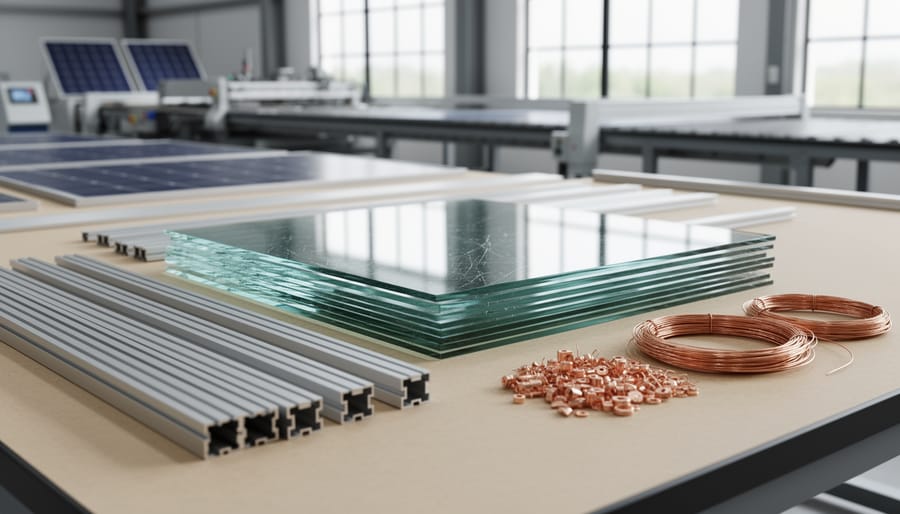
Photovoltaic panel recycling transforms retired solar modules from potential waste into valuable raw materials for new products. When panels reach the end of their productive life, typically after 25 to 30 years of generating clean energy, they don’t simply disappear. Instead, specialized facilities dismantle them to recover glass, aluminum, silicon, copper, and precious metals like silver. This process prevents hazardous components from entering landfills while returning high-value materials to manufacturing supply chains.
The volume of panels reaching end-of-life is growing rapidly. Early solar adopters installed systems in the 1990s and early 2000s, and those panels are now retiring. Research shows that waste volume increases significantly in coming decades as solar deployment accelerates worldwide. Without proper recycling, millions of tons of panels could burden waste systems and squander recoverable resources.
Understanding what’s inside a solar panel helps explain why recycling matters:
- Photovoltaic cells
- Thin semiconductor wafers that convert sunlight into electricity, usually made from crystalline silicon or thin-film materials.
- Silicon wafers
- The foundational material in most solar cells, processed from refined silicon that can be reclaimed and reused in new panels.
- Laminate layers
- Protective sheets of polymer encapsulant and backing that seal the cells, challenging to separate but necessary for recovering embedded materials.
- Junction box
- The weatherproof housing on the panel’s back containing wiring and diodes, often made from recyclable plastics and containing copper connectors.
Recycling matters because solar power’s sustainability promise depends on closing the loop. Panels generate zero-emission electricity for decades, but their environmental benefit diminishes if components end up in landfills. Studies of PV module lifespan confirm that panels typically maintain 80 percent or better efficiency through their warranty period, then decline gradually. Recovering the materials inside ensures the next generation of panels, including those powering solar boats and marine systems, starts with a smaller environmental footprint. For boaters committed to sustainability, planning for responsible end-of-life management is part of owning the technology.
How the Recycling Process Works
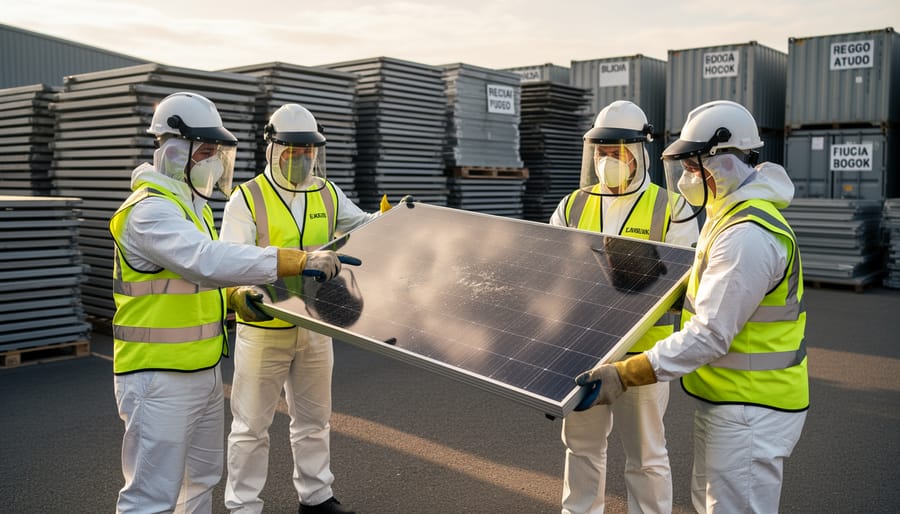
Mechanical Recycling Methods
Mechanical recycling represents the most straightforward approach to recovering materials from photovoltaic panels. The process begins by manually removing the aluminum frame and junction box, which are separated and sent directly to metal recyclers. These components alone account for roughly 10% of a panel’s weight but contribute significantly to the recovered value.
Next comes the shredding phase. Industrial shredders break the remaining panel into small fragments, typically less than 5 millimeters. This releases the tempered glass that makes up about 75% of a typical crystalline silicon panel’s mass. Conveyor systems equipped with screens and air classifiers then separate materials by size and density, the lighter plastic backing floats away while heavier glass fragments settle for collection.
Magnetic separators pull out any ferrous metals, and eddy current systems capture non-ferrous metals like copper from wiring. The recovered glass meets quality standards for construction materials, fiberglass insulation, or glass bottle production. Aluminum frames enter the scrap metal stream with minimal processing.
This method excels at recovering bulk materials quickly and cost-effectively. However, it typically doesn’t separate the thin silicon cells or recover precious metals like silver, leaving those valuable materials embedded in mixed waste streams that require further processing.
Thermal and Chemical Recovery
Thermal and chemical recovery methods target the high-value materials locked inside solar panels that mechanical processes can’t fully extract. These techniques use heat or specialized chemicals to break down the laminated layers bonding glass, encapsulant, and solar cells together.
Thermal recycling typically heats panels to around 500°C, burning away the plastic encapsulant (usually EVA) that holds everything in place. Once this layer is gone, you can separate the silicon wafers, metallic contacts, and glass more cleanly. This approach recovers over 90% of silicon and most of the silver used in cell connections, both valuable materials that justify the energy cost.
Chemical treatments take a different path, using solvents or acids to dissolve specific components without high temperatures. This method can be gentler on delicate materials and allows for selective extraction of copper, silver, and other metals from cell layers.
The trade-off is clear: these advanced methods recover more valuable material and achieve higher purity, but they require specialized facilities, controlled conditions, and higher processing costs than simple mechanical shredding. For large-scale recycling operations handling thousands of panels, the investment pays off through material quality and recovery rates.
Types of Solar Panels and Their Recycling Pathways
Not all solar panels are created equal, and that extends to how they’re recycled. Understanding which technology powers your boat helps you anticipate its end-of-life pathway and make informed choices when selecting or upgrading systems.
Crystalline silicon panelsboth monocrystalline and polycrystalline, dominate the marine market and account for roughly 90% of global solar installations. These panels layer silicon cells between glass and polymer backing, framed in aluminum. Their recycling is relatively straightforward: frames get stripped and melted down, glass gets crushed and repurposed, and silicon wafers undergo chemical treatment to recover semiconductor-grade material along with valuable silver contacts. Recovery rates for crystalline panels reach 95% by weight, making them the most established recycling success story. If you’re considering solar panels for your yacht you’re likely looking at crystalline technology.
Thin-film panelsincluding cadmium telluride (CdTe) and copper indium gallium selenide (CIGS), appear less frequently on boats but offer flexibility advantages for curved surfaces. Their recycling demands specialized facilities because these panels contain different semiconductor compounds deposited in ultra-thin layers. CdTe recycling focuses on recovering cadmium and tellurium through chemical processes, while CIGS targets copper, indium, and gallium. Recovery rates hover around 90%, but fewer facilities handle these materials compared to silicon.
Emerging technologies like perovskite and organic photovoltaics remain in development, with recycling protocols still being established. Most marine applications stick with proven crystalline silicon for reliability and longevity.
For boat owners researching the best panels for houseboats crystalline silicon remains the gold standard, not just for performance and durability in marine environments, but also for the mature, accessible recycling infrastructure ready to handle them decades from now. Check your panel specifications or manufacturer documentation to identify which type you have, empowering you to plan ahead.
Where and How to Recycle Your Solar Panels
Finding the right recycling pathway for your solar panels doesn’t have to be complicated, but it does require a bit of planning, especially for marine installations where salt exposure and mounting systems add unique considerations.
Start with your panel manufacturer. Most major brands operating in 2026 offer take-back programs or have partnerships with certified recyclers. When you choose the right panels initially, it’s worth checking whether the manufacturer provides end-of-life support, as some include prepaid recycling or simplified return logistics. Contact them directly or check their website for specific instructions and any regional limitations.
Certified recycling facilities specializing in photovoltaic materials have expanded significantly. Organizations like the Solar Energy Industries Association maintain directories of vetted recyclers who meet environmental and recovery standards. These facilities handle everything from single residential panels to large commercial arrays. For boat owners, you’ll want to confirm that a facility can process panels with marine-grade adhesives and corrosion-resistant coatings, which sometimes require adjusted handling.
To recycle responsibly, consider these practical steps:
- Verify whether your manufacturer offers a take-back program or recycling partnership before seeking third-party options
- Search for R2 (Responsible Recycling) or e-Stewards certified facilities near your marina or home port
- Check local and state regulations, as some jurisdictions now mandate solar panel recycling or ban landfill disposal
- Budget for decommissioning costs, removing marine panels safely and transporting them typically runs $50, $150 per panel
- Ask marina management or marine solar installers about bulk collection events or partnerships with recyclers
Marine industry partnerships are emerging as particularly helpful resources. Some boatyards and solar installation companies now coordinate seasonal collection drives, allowing multiple boat owners to share transportation costs. When you followed panel selection tips for your houseboat or yacht, you invested in quality equipment, now completing that cycle with proper recycling honors both your environmental values and the broader solar boating community’s commitment to sustainability.
Why Recycling Matters for Solar Boating
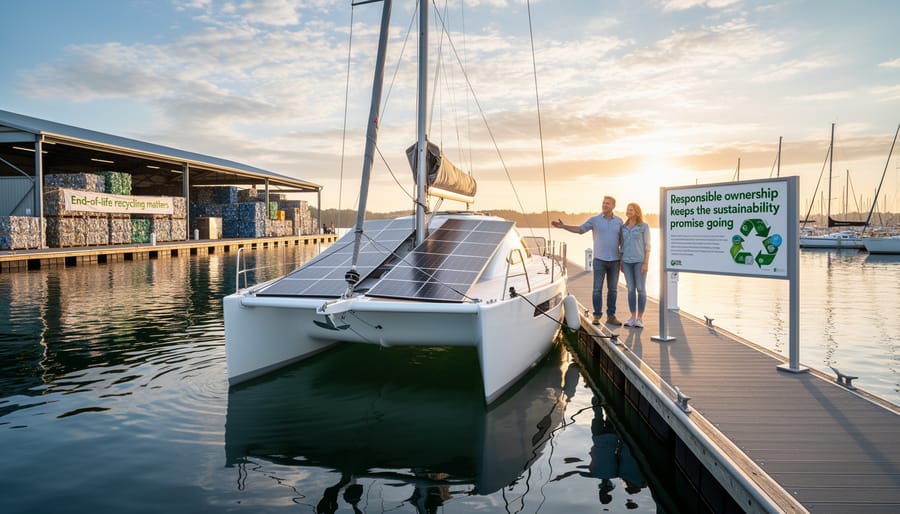
For boaters committed to cleaner waterways and marine ecosystems, recycling photovoltaic panels represents the final, crucial step in making solar energy truly sustainable. When you power your vessel with solar, you’re already reducing fuel emissions and noise pollution on the water. Properly recycling those panels when they reach end-of-life ensures you’re not simply trading one environmental problem for another, you’re closing the loop completely.
The materials recovered from recycled panels carry significant value. A typical 60-cell crystalline silicon panel yields roughly 15 kilograms of glass, 2 kilograms of aluminum, and smaller amounts of copper, silicon, and silver, all of which can directly supply new panel manufacturing. By ensuring these resources return to production rather than sitting in a landfill, you reduce the mining, refining, and energy costs associated with raw material extraction. That matters especially in marine environments, where improper disposal risks leaching toxic compounds into the water.
Several forward-thinking boaters in the Solar Sailing community have demonstrated what responsible solar upgrades look like in practice. One sailboat owner in the Pacific Northwest recently replaced a 15-year-old array and coordinated with the manufacturer’s take-back program to ensure every panel was properly processed. Another liveaboard cruiser documented the entire decommissioning process, sharing contact details for certified recyclers at popular marinas, making it easier for others to follow suit.
These actions reinforce why solar-powered boating stands apart as a genuinely green alternative. It’s not just about what you do on the water today; it’s about taking responsibility for the full lifecycle of your systems, demonstrating environmental leadership that extends well beyond your time on board.
Common Questions About Solar Panel Recycling
How much does it cost to recycle solar panels?
Costs vary widely depending on location and panel type, but many manufacturer take-back programs offer free or low-cost recycling as part of their extended producer responsibility commitments. Independent recycling facilities may charge fees ranging from a few dollars per panel to $20-30 for more complex thin-film technologies, though some regions subsidize collection through electronic waste programs.
What happens to hazardous materials like cadmium or lead in old panels?
Certified recyclers use controlled processes to safely extract and neutralize toxic substances found in certain thin-film panels. These materials are either properly disposed of according to hazmat regulations or, in some cases, purified and reused in new manufacturing, preventing environmental contamination.
Can all solar panels be recycled?
Nearly all photovoltaic panels can be recycled to some degree, though recovery rates differ by technology. Crystalline silicon panels achieve material recovery rates above 90%, while thin-film panels vary more depending on the specific chemistry and available recycling infrastructure.
How should boat owners prepare panels for recycling?
Disconnect panels from electrical systems, remove mounting hardware if possible, and check with your recycler about whether they need intact units or can handle damaged panels. Keep junction boxes attached unless instructed otherwise, and never attempt to dismantle laminated layers yourself.
When planning a solar system upgrade on your boat, timing matters. Most recyclers accept panels year-round, but scheduling collection during offseason maintenance makes logistics simpler. If you’re replacing an entire array, ask whether your installer will handle removal and recycling, many marine solar companies now include responsible disposal in their service packages.
Looking ahead, recycling technology continues improving. Researchers are developing processes that recover even higher percentages of silicon and precious metals, while automation reduces handling costs. Some experimental methods use robots to sort components or apply targeted heating that preserves more material integrity. These innovations should make recycling more accessible and economically attractive as the first large wave of decommissioned panels arrives in the late 2020s and early 2030s, reinforcing solar’s credentials as a truly circular energy solution for boaters and beyond.
Photovoltaic panel recycling transforms solar energy from a temporary solution into a truly circular system. When you commit to recycling your panels at end-of-life, you’re ensuring that the materials powering your boat today will fuel clean energy innovations tomorrow. The aluminum, silicon, and precious metals recovered from a single panel can return to manufacturing, reducing the need for virgin mining and closing the sustainability loop you started when you first chose solar.
As a solar boater, you’re already leading by example on the water. Planning for responsible recycling extends that leadership through your panels’ entire lifecycle. It’s not just about the energy you generate during 25 years of service, it’s about the legacy those materials leave behind.
Start thinking about end-of-life now, even with brand-new installations. Ask your manufacturer about take-back programs. Research certified recyclers in your region. Connect with other solar boating enthusiasts who’ve navigated upgrades responsibly. These small actions reinforce the environmental promise that brought you to solar power in the first place.
The future of sustainable boating depends on choices we make today. Choose solar, plan ahead, and recycle right.